A common question among families new to an autism diagnosis is: What level of autism requires ABA therapy?
The answer is nuanced—ABA therapy can be helpful for individuals across the autism spectrum, but it is often most impactful for those with moderate to significant support needs.
Children and adults facing substantial challenges in communication, social interaction, daily living skills, or behavioral regulation tend to see marked improvements through structured, individualized ABA programs.
Why ABA Therapy Matters Across Support Levels
Applied Behavior Analysis is not a one-size-fits-all intervention. Its flexibility allows it to be tailored to each person’s unique strengths and needs.
Research indicates that early and intensive ABA intervention can lead to meaningful gains. For example, studies referenced by Autism Speaks suggest that many children show noticeable improvement in social and communication skills when participating in consistent, well-designed ABA programs.
By breaking down complex tasks into manageable steps, ABA helps learners build confidence and competence at their own pace—whether they are learning to communicate, play, or manage daily routines.
Is ABA Right for Your Child?
ABA therapy is especially beneficial for children with moderate to higher support needs, including those who:
-
Have limited verbal or nonverbal communication
-
Struggle with social interactions or play skills
-
Exhibit behaviors that interfere with learning or safety
-
Need support with daily living activities (e.g., dressing, toileting, mealtime)
Even for those with milder support needs, ABA can offer valuable strategies to navigate social situations, cope with anxiety, or develop greater independence.
The best way to know if ABA is a good fit is through a professional assessment. A Board Certified Behavior Analyst (BCBA) can help identify your child’s specific needs and design a plan that aligns with their development and your family’s goals.
How Happy Haven ABA Delivers Personalized Support
At Happy Haven ABA, we believe every individual deserves a compassionate, evidence-based approach tailored to their life and learning style.
We offer:
-
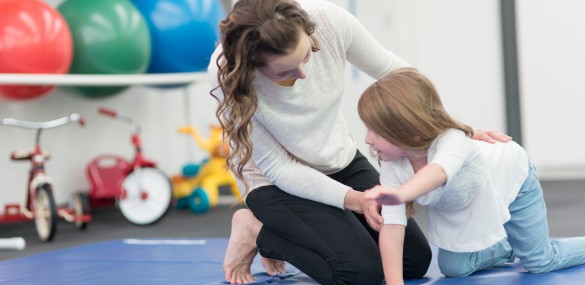
In-home ABA therapy — building skills in a comfortable, natural setting
-
School-based ABA support — promoting inclusion and learning in the classroom
-
In-camp ABA programs — combining skill-building with fun, peer-based activities
-
Family training and coaching — empowering parents to support progress every day
Serving families throughout South Carolina, we focus on meaningful, respectful interventions that foster growth, connection, and independence.
If you’re considering ABA therapy for your child, reach out to Happy Haven ABA. Together, we can explore how personalized ABA strategies can make a positive difference in your child’s life.
Frequently Asked Questions
Does ABA therapy work for all levels of autism?
ABA can be adapted to benefit individuals across the autism spectrum. Those with greater support needs often see pronounced gains in communication, behavior, and daily living skills, while those with milder needs may use ABA to refine social abilities and adaptive strategies.
How quickly might we see progress with ABA therapy?
Progress varies based on the individual, intensity of therapy, and consistency of support. Some families notice positive changes within a few weeks, while other goals may take several months. Regular data tracking and team communication help keep goals on track.
Is ABA therapy helpful for non-verbal children?
Yes. ABA is widely used to support communication development, including through nonverbal methods such as gestures, picture exchange, or speech-generating devices. The focus is always on helping the child express their needs, ideas, and feelings effectively.