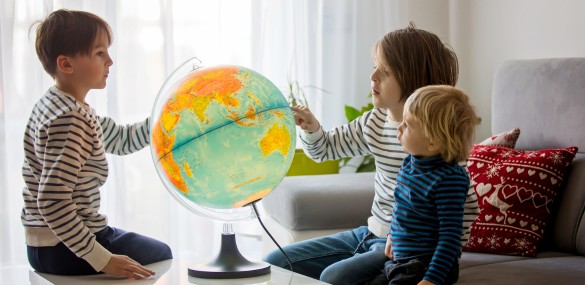
Yes, your autistic child likely understands you more than it may seem. They might not always respond in the ways you expect, but that doesn’t mean they aren’t listening, feeling, or connecting.
Many autistic children process language and emotions differently—but they still notice, comprehend, and care deeply.
Communication May Look Different—And That’s Okay
Every child is unique, and this is especially true for autistic children. Some may struggle with verbal responses or eye contact, yet still understand what you’re saying. Others might need more time to process words, or they may show their understanding through gestures, actions, or behaviors rather than speech.
Watch for subtle signs—a smile, a shift in posture, repeating a phrase later, or seeking closeness. These are often their way of saying, “I hear you.”
How Can You Tell If They Understand?
-
They follow simple instructions (even if after a pause).
-
They respond to familiar words, names, or daily routines.
-
Their behavior changes after you speak.
-
They initiate interaction for comfort, play, or help.
Your tone, facial expressions, and body language also matter greatly. Many autistic children are especially attuned to emotional cues, even when spoken language is challenging. Keeping communication patient, clear, and loving often makes more of a difference than we realize.
Support That Meets Your Child Where They Are
At Happy Haven ABA, we recognize and respect the many ways autistic children connect and communicate. Our autism services across South Carolina are designed to support genuine understanding and interaction—not just scripted responses.
If you’re looking for compassionate, child-centered ABA therapy in South Carolina , we’re here to help. Together, we can nurture your child’s unique way of experiencing and engaging with the world.