Do Babies with Autism Smile? Understanding Early Social Cues
One of the most eagerly awaited milestones for any parent is their baby’s first genuine, social smile—a beaming response that seems to say, “I see you, and I’m happy you’re here.” It’s a powerful moment of connection. When this milestone seems delayed or different, it’s natural for parents to wonder, “Do babies with autism smile?” The answer is important for understanding early development: Yes, babies with autism can and do smile, but their smiling patterns may look different from those of neurotypical babies. Recognizing these differences is a key piece in understanding early signs and the immense value of personalized, early support.
The Journey of a Smile: Typical Development
To understand the differences, it helps to know the typical progression:
-
Reflex Smiles (0-2 months): These early, fleeting smiles are spontaneous and not directed at people. They are a normal part of newborn behavior.
-
Social Smiles (6-8 weeks): This is the milestone parents wait for—a smile deliberately shared in response to a caregiver’s face, voice, or touch. It signals growing social awareness and connection.
-
Interactive Smiling (3-6 months+): Smiling becomes a two-way conversation. Babies smile back when smiled at, use eye contact, and combine smiles with coos and gestures, building the foundation for social communication.
How Smiling Might Look Different in Babies with Autism
While every child is unique, some common patterns have been observed that may indicate a child is processing social information differently:
-
Delayed or Infrequent Social Smiling: The intentional, responsive smile may emerge later or occur less often.
-
Smiling Without Shared Focus: A baby might smile while looking at a spinning ceiling fan, a pattern of light, or their own fingers, rather than in response to a parent’s playful interaction.
-
Limited “Serve and Return”: There may be less of the back-and-forth exchange—the baby smiles, you smile bigger, they smile back—that typifies early social engagement.
-
Reduced Eye Contact with Smiling: The smile might not be paired with coordinated eye contact, making it feel less connected or directed.
Smiling is Just One Piece of the Puzzle
It is crucial to remember that a single difference in smiling does not mean a child has autism. Autism is a spectrum defined by a constellation of traits. Other early signs to be aware of include:
-
Limited Eye Contact: Avoiding or not sustaining gaze during feeding or play.
-
Reduced Response to Name: Not consistently turning or reacting when called by name by 9-12 months.
-
Differences in Sound and Gesture: Minimal babbling, delayed or absent use of gestures like pointing, waving, or reaching to be picked up.
-
Intense Focus on Objects: A strong, persistent interest in specific objects (e.g., wheels, lines) over people.
-
Atypical Motor Movements: Repetitive actions like hand-flapping, body rocking, or unusual finger movements.
What to Do If You Have Concerns: Trust Your Instincts
You know your child best. If you observe consistent differences in your baby’s social engagement, including smiling, share your concerns with your pediatrician. They can conduct developmental screenings and, if needed, refer you to a specialist (like a developmental pediatrician) for a comprehensive evaluation.
Early Intervention: The Power of Starting Early
Research is unequivocal: early intervention changes trajectories. The brain is most adaptable in the first years of life. Identifying differences early and beginning supportive therapies can help build crucial neural pathways for communication, social interaction, and learning.
How Happy Haven ABA Supports Early Social Development
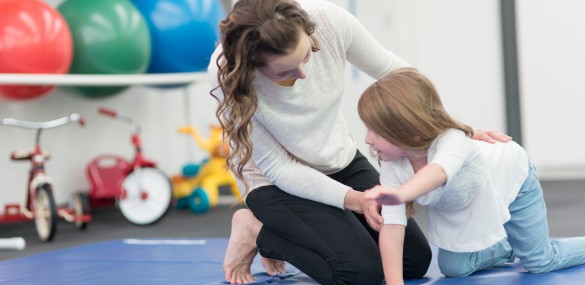
At Happy Haven ABA, we specialize in early, compassionate intervention. For infants and toddlers showing early signs, our play-based, relationship-focused approach is designed to meet them where they are.
We focus on:
-
Building Connection: We create joyful, engaging interactions that motivate your child to connect.
-
Encouraging Shared Attention: Using your child’s interests, we gently encourage them to share their focus with us, laying the groundwork for social smiling and communication.
-
Teaching Functional Communication: We help children learn ways to express their needs and interests, reducing frustration and increasing interaction.
-
Empowering Parents: We coach you on responsive strategies to use during everyday routines—during diaper changes, mealtimes, and play—to turn daily moments into opportunities for social growth.
The Heart of the Matter
Yes, babies with autism smile. Their smiles are genuine expressions of joy or interest, even if they are sparked by different things or shared in different ways. The goal is not to force a “typical” smile but to nurture your child’s innate capacity for connection in a way that honors their unique neurology.
By understanding these early cues and seeking guidance, you are taking the most proactive, loving step possible—opening the door to support that can help your child build the social bridges they need to thrive.
If you have questions about your baby’s social development or early smiles, you are not alone. Happy Haven ABA is here to listen, support, and guide.
Contact us today for a confidential consultation. Let’s explore how our early intervention programs can support your child’s unique journey toward connection and growth.
Frequently Asked Questions
Can a baby smile and still have autism?
Absolutely. Many autistic babies smile. The difference often lies in the context and reciprocity of the smile—whether it’s consistently shared in back-and-forth social interactions or more often directed at objects or internal sensations.
What are the earliest signs of autism in babies?
Early signs can include limited eye contact, not responding to their name by 12 months, lack of pointing or other social gestures by 12 months, limited babbling or vocal back-and-forth, and a strong preference for objects over people. Differences in smiling patterns are one potential social sign among these.
When should I be concerned if my baby doesn’t smile?
If your baby has not shown intentional, social smiles (smiling back at you) by 3 months, it is recommended to discuss this with your pediatrician. It may be within the range of normal variation, but it’s always best to get a professional opinion to ensure your child gets any support they might need as early as possible.