The Benefits of Discrete Trial Training in ABA Therapy

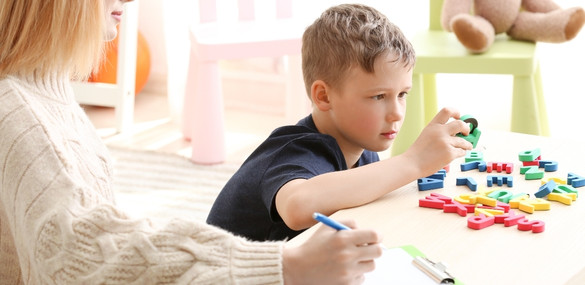
Discrete Trial Training (DTT): A Structured Path to Skill Building in ABA Therapy Discrete Trial Training (DTT) is an evidence-based, structured teaching method within Applied Behavior Analysis (ABA) that is highly effective for individuals with autism spectrum disorder. By breaking down complex skills into small, manageable steps, DTT uses repetition,…
Read More

How Natural Environment Teaching Benefits Children with ASD

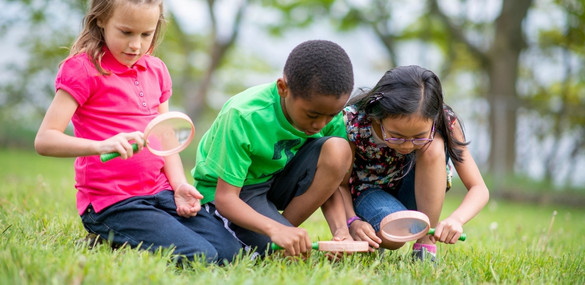
Natural Environment Teaching in ABA: Learning Through Life’s Everyday Moments Natural Environment Teaching (NET) is a child-centered approach within Applied Behavior Analysis (ABA) that focuses on teaching skills within the natural contexts of daily life. Instead of limiting instruction to a therapy table, NET integrates learning into a child’s everyday…
Read More

What Are the Signs of Autism in a 4-Year-Old?

Recognizing potential signs of autism in a 4-year-old can be a nuanced process, but early identification opens the door to meaningful support. Here are some common indicators that may be noticeable around this age:     Communication Patterns: Your child might use limited speech or communicate nonverbally. They may have…
Read More

Is It Autism or Just Introversion?

Many parents find themselves wondering whether their child’s quiet or reserved nature is a sign of introversion or something more, like autism. While both can involve a preference for less social interaction, they stem from different roots and present distinct characteristics.   Introversion is a personality trait. An introverted child may…
Read More

What Age is Autism Usually Diagnosed?

Autism spectrum disorder (ASD) is typically diagnosed between the ages of 2 and 4, though early indicators can often be observed even earlier. Securing an early diagnosis is key, as it opens the door to interventions during a period when a child’s brain is highly adaptable and primed for learning.…
Read More

Do Children with Autism Talk Differently?

Yes, children with autism frequently experience unique differences in speech and communication. While every child’s developmental journey is distinct, several recognizable patterns often emerge.     Common Communication Patterns in Autism: Delayed Speech Development: Some children may begin using words later than expected. They might develop a smaller initial vocabulary or…
Read More

Can Two Autistic People Have a Normal Child?

Yes, two autistic parents can have a child who is neurotypical, but there is a possibility that the child may also inherit traits associated with Autism Spectrum Disorder (ASD). Autism is a multifaceted neurodevelopmental condition influenced by an intricate combination of genetic and environmental factors. While genetics play a significant…
Read More