Here’s a revised and polished version of your post, optimized for a blog or website. It maintains your core message and sources while enhancing readability, engagement, and SEO.
Title: Understanding Communication in Autism: Not All Autistic Children Are Nonverbal
A common question many parents have after an autism diagnosis is: “Will my child ever speak?” It’s important to know that Autism Spectrum Disorder (ASD) is exactly that—a spectrum. This means communication abilities vary widely from one child to another.
The image of a nonverbal child is just one point on a vast and diverse continuum. While some autistic children do experience significant challenges with spoken language, many others develop speech skills ranging from fluent conversation to the use of short phrases. Communication can also take many beautiful forms beyond speech, including sign language, communication devices, or picture systems.
Communication Looks Different for Every Child
The key is to move beyond the label and focus on the individual. Every child has a unique profile of strengths and challenges. For some, the hurdle might be articulation or social use of language (pragmatics). For others, speech may not be the primary or most effective tool for connection at a given time.
The goal is always functional communication—giving your child the ability to express their needs, thoughts, and feelings reliably and effectively, in whatever form works best for them.
How ABA Therapy Supports Communication Development
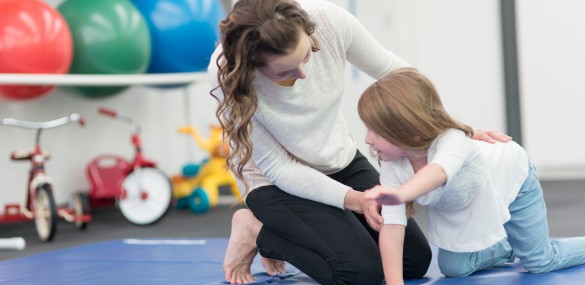
At Happy Haven ABA, we believe in nurturing every child’s potential to connect with the world. Applied Behavior Analysis (ABA) therapy is a scientifically validated approach that is highly effective in building communication skills.
Through personalized, compassionate intervention, our Board Certified Behavior Analysts (BCBAs) can help your child:
-
Develop functional speech and language skills.
-
Learn to use Augmentative and Alternative Communication (AAC) systems, such as Picture Exchange Communication Systems (PECS) or speech-generating devices.
-
Build foundational skills for communication, like joint attention and imitation.
-
Reduce frustration by providing effective ways to make requests and choices.
We collaborate closely with speech-language pathologists and your family to create a tailored plan that respects your child’s learning style and motivates them to engage.
You Are Not Alone on This Journey
If you have questions about your child’s communication development, know that support is available. Understanding and nurturing your child’s unique voice—whether spoken, signed, or shown—is at the heart of what we do.
Ready to explore personalized strategies for your child’s communication growth? Contact Happy Haven ABA today to learn more about how our ABA therapy programs in South Carolina can help your child build the skills to express themselves and connect with others.
Sources & Further Reading:
-
Healthline: What to Know About Nonverbal Autism
-
Medical News Today: Nonverbal autism: What it is and more
-
Autism Speaks: Expert Opinion: Seven Ways to Help Your Nonverbal Child Speak
-
Autism Parenting Magazine: When is a Child Considered Nonverbal?
-
Northwestern Medicine: Nonverbal Autism: What It Means and How to Help