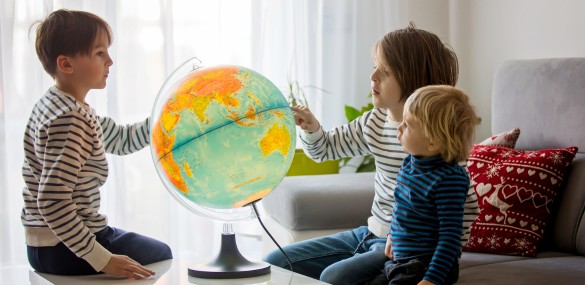
A common misconception is that nonverbal autistic individuals inherently have lower intelligence. In reality, IQ among nonverbal people with autism varies greatly—just as it does in any population. Being nonverbal does not equate to low cognitive ability. Many nonverbal autistic people have average or above-average intelligence but experience significant barriers in expressive communication.
Why Traditional IQ Tests Can Be Misleading
Standard IQ assessments often rely heavily on verbal reasoning and expression, which can overlook the true cognitive strengths of someone who communicates differently. Nonverbal individuals may excel in areas such as:
-
Visual-spatial reasoning
-
Pattern recognition
-
Memory for details
-
Problem-solving through visual or hands-on methods
These abilities are not always captured by conventional testing, leading to underestimation of their intellectual potential.
Supporting Communication Beyond Speech
The primary challenge for many nonverbal autistic individuals is not a lack of intelligence, but a difficulty with verbal expression. Fortunately, there are many effective ways to support communication, such as:
-
Augmentative and alternative communication (AAC) devices
-
Picture exchange systems (PECS)
-
Sign language or gesture-based communication
-
Typing or text-based tools
With the right supports, nonverbal individuals can demonstrate understanding, express preferences, share ideas, and engage more fully with the world around them.
How ABA Therapy Can Help
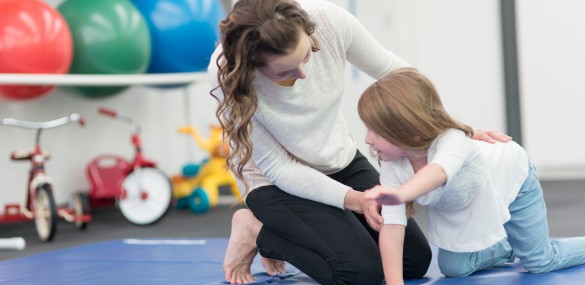
Applied Behavior Analysis (ABA) can play a meaningful role in helping nonverbal individuals develop functional communication skills. A skilled ABA therapist can:
-
Identify and build on the individual’s preferred mode of communication
-
Teach skills for expressing needs, choices, and feelings
-
Reduce frustration by increasing communicative independence
-
Collaborate with families to ensure consistency across settings
The goal is always to empower the individual—not to change who they are, but to provide tools that help them connect and participate more easily.
How Happy Haven ABA Approaches Communication Support
At Happy Haven ABA, we believe every person has unique strengths and ways of understanding the world. Our therapy plans are personalized to honor nonverbal individuals’ cognitive abilities while fostering growth in communication, daily living, and social engagement.
We offer:
-
Individualized ABA therapy tailored to each person’s learning style
-
Communication support using evidence-based, multimodal strategies
-
Family training to help caregivers reinforce skills at home
-
Collaboration with schools and other professionals for consistent support
If you’re in South Carolina and seeking compassionate, strength-based support for a nonverbal child or loved one, reach out to Happy Haven ABA today. Together, we can build a plan that recognizes their capabilities and supports their communication journey.
SOURCES:
https://pmc.ncbi.nlm.nih.gov/articles/PMC8407906/
https://pmc.ncbi.nlm.nih.gov/articles/PMC4876598/
https://www.frontiersin.org/journals/psychiatry/articles/10.3389/fpsyt.2022.856084/full
https://www.kennedykrieger.org/stories/interactive-autism-network-ian/measuring-iq-autism
https://molecularautism.biomedcentral.com/articles/10.1186/s13229-021-00461-7